,

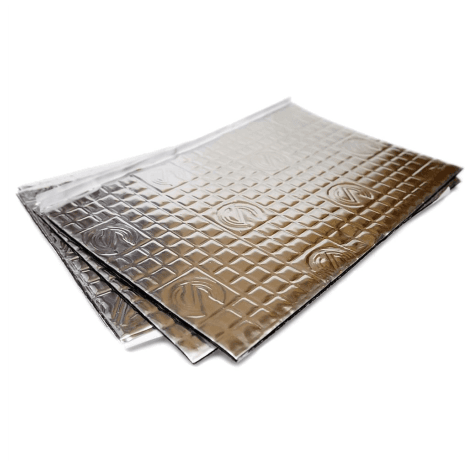
Silent Coat Noise Isolator 6 – per sheet

R216.78

Versatile 6 mm closed-cell noise isolation foam. Single sheet — ideal for doors and tight spaces where thicker material won’t fit. Blocks airborne noise and provides thermal insulation.

Out of stock - WhatsApp APEX for ETA or alternatives

SKU: SC-NI6-2.7 Categories: ,
Includes VAT · Free Garden Route delivery
Coverage planning guide

Plan the area before buying material.

Sound deadening works best when the target panels and layers are chosen before the order is placed.

Best for

Road noise, rattles and tighter bass

Treat doors, boot, roof or floor depending on the complaint and the vehicle.

Confirm first

How much material you need

Send APEX the vehicle and target areas so the pack size matches the job.

Install notes

Prep decides the result

Panels should be clean and reachable, with the right layer order for damping, foam or barrier work.

Silent Coat Noise Isolator 6 — 6 mm Acoustic Barrier

The Noise Isolator 6 is a 6 mm closed-cell foam barrier designed for areas where space is limited but noise reduction is critical. At just 6 mm, it fits inside door cards, behind trim panels, and in other tight spaces where thicker isolators cannot reach.

Key Features

  • 6 mm closed-cell foam with self-adhesive backing
  • Slim profile — fits behind door cards and trim panels
  • Blocks airborne noise and provides thermal insulation
  • Easy to cut and shape around wiring and mechanisms

Application

The go-to choice for door builds where speaker performance depends on a sealed, damped enclosure. Layer over butyl mats for best results. Also excellent for boot trim and parcel shelves.

Sold per sheet. Professionally installed by APEX Customs, Garden Route.

Fitment and buying help

APEX checks practical details before dispatch where fitment or system matching matters. For the cleanest result, send your vehicle model, year and photos of the current setup on WhatsApp.

Best info to send

  • Doors, boot, roof or full vehicle
  • DIY or APEX installation
  • Rattle problem areas
  • Vehicle size and panel access

Common mistakes avoided

  • Under-ordering material
  • Treating only visible panels
  • Skipping panel cleaning
  • Expecting deadening to replace tuning
Scroll to Top